
Noni Madueke: From Controversial Signing to World Cup Star
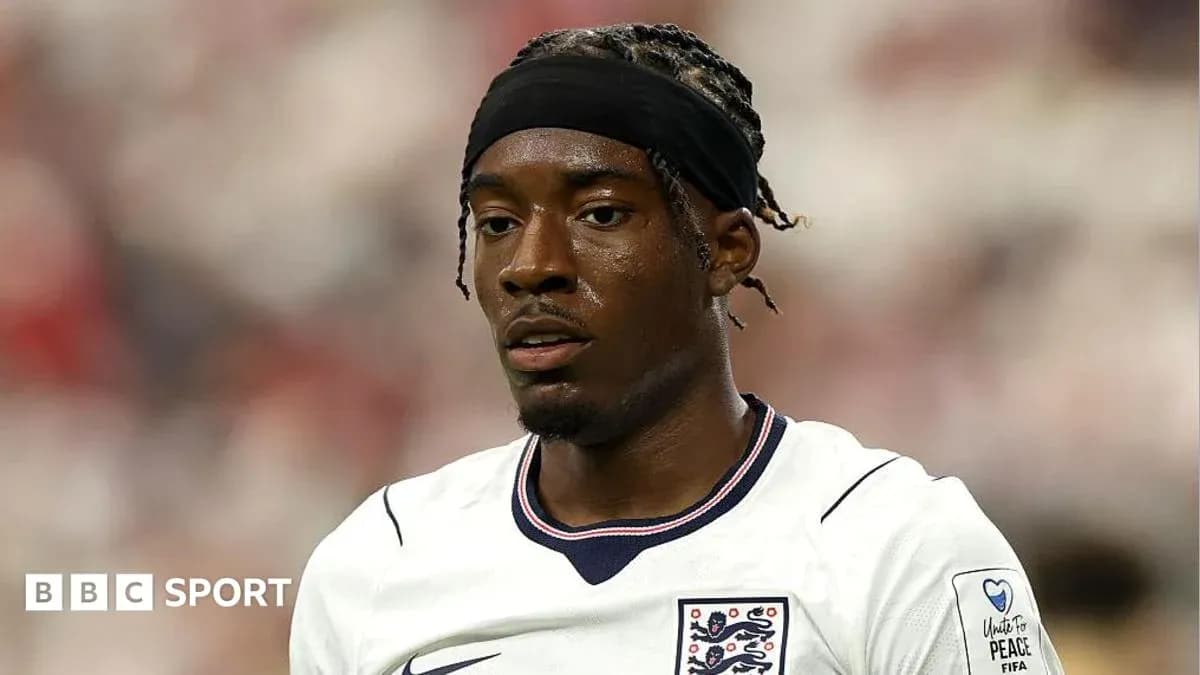
Noni Madueke did not so much walk into this World Cup as crash through the front door.
When his name appeared on England’s teamsheet for their opener against Croatia, it felt like the latest twist in a season that has veered from protest to vindication. Less than a year ago, Arsenal fans were launching petitions and hashtags to stop his £50m move from Chelsea. Now he is a Premier League champion, a World Cup starter, and one of Thomas Tuchel’s key attacking weapons.
Some journeys are slow burns. Madueke’s has been a detonation.
From hashtag to headline act
The #NoToMadueke campaign looked ugly at the time. Supporters questioned the fee, the fit, even the need for another right-sided winger when Bukayo Saka already owned that flank. Yet 12 months on, the picture is unrecognisable.
Madueke, 24, has a league winner’s medal after helping Mikel Arteta deliver Arsenal’s first title in 22 years. He has muscled his way into an England side built around Harry Kane. And on the biggest stage of all, he has kept Saka – his club rival and close friend – out of the starting XI.
Against Croatia, Madueke didn’t just hold his own. He drove England forward. He won the penalty Kane buried to give the Three Lions the lead, and he was a constant nuisance on the right, dragging defenders wide, darting in behind, and forcing Croatia to keep turning towards their own goal.
Five touches in the opposition box. One completed dribble. A penalty won. The numbers are neat, but the impact was louder than that.
Tuchel’s template, Madueke’s moment
Tuchel has been clear since taking the England job: he wants a national team that feels like the Premier League. High tempo. High contact. Runners everywhere.
His World Cup squad reflects that. Physically robust, powerful in transition, aggressive without the ball. At the heart of it all sits Kane, the record goalscorer and captain, dropping into pockets and threading passes into the channels for his wingers.
Madueke fits that blueprint perfectly. Against Croatia he linked with Kane more than almost anyone on the pitch. Only Jordan Pickford matched his four passes into the captain. That tells its own story: England’s play flowed through the same two routes – the goalkeeper going long, and Madueke combining short.
On the opposite flank, Anthony Gordon mirrored the intensity. The pair ran relentlessly, stretching Croatia horizontally and vertically, opening the central spaces Tuchel wants Kane to exploit. When the Bayern Munich forward had time to lift his head, he repeatedly looked for Madueke’s run, angling passes into the right channel to release him behind the back line.
The pressure told. Croatia creaked. England scored four.
A “unique” rivalry
All of this plays out against a fascinating backdrop: Madueke and Saka fighting for minutes in the same two teams.
At Arsenal, Saka is the homegrown hero, the academy jewel, the standard-bearer of the Arteta era. For England, he has already reached 50 caps, a landmark he hit in that 4-2 win over Croatia. Yet here he is, nursing an Achilles problem and watching his club-mate seize the stage.
Saka has called the situation “unique” and described Madueke as his “brother”. It is a rivalry without rancour, but it is still a rivalry – and one that now stretches from north London to the World Cup.
Arteta spent last season working out how to fit them both in. The solution was tactical flexibility: Madueke flipping to the left, Saka drifting inside into a number 10 role. It worked. Arsenal ended their long trophy drought and lifted the title, with both wingers on the pitch in key moments.
Madueke’s numbers underline both his importance and his frustration. Forty-three appearances in all competitions, eight goals, four assists. Yet only 16 league starts. A knee injury and the sheer presence of Saka kept him out of the XI more often than his form deserved.
When it mattered, though, he delivered. In the Champions League final defeat to Paris St-Germain last month, Madueke came off the bench for Saka and immediately lit up Arsenal’s right side, one of the few bright sparks on a painful night.
That cameo felt like a warning of what was coming. Croatia found out.
England’s next selection headache
Tuchel has been effusive in his praise, calling Madueke a “difference-maker” and highlighting his one-on-one ability. The evidence in this World Cup opener backed him up. Madueke isolated defenders, drove at them, and forced decisions. Mistakes followed.
England’s manager has built his attacking structure around Kane, but the identity of the runners around him is suddenly less fixed than it once seemed. Saka’s injury has opened a door. Madueke has not just stepped through it; he has tried to slam it behind him.
Saka is expected to be ready to start only by the final Group L match against Panama in New Jersey on Saturday. Until then, Tuchel has little reason to change what is working. Another start for Madueke against Ghana on Tuesday looks likely, another chance for him to harden his claim to more than a supporting role.
Because this is the crux now. For years, Saka has been inked into every teamsheet, for club and country. Madueke was the expensive understudy, the rotation option, the man to bring on when legs tired.
After a title-winning season, a Champions League final spark, and a statement World Cup debut, that label no longer fits. The petition days are gone. The hashtag has been buried.
The question now is simpler, and far more uncomfortable for defenders and for selectors alike: if Madueke keeps playing like this, how do you leave him out?
Related News
Anthony Joshua Names Murat Gassiev as Next Opponent if He Defeats Tyson Fury
UFC 332: Start Time and Fight Highlights for Natalia Silva vs. Wang Cong
Court McGee Opens Up About Choosing UFC 332 as His Final MMA Fight
WBC Orders Lightweight Title Unification: William Zepeda vs Jadier Herrera
BCCI Pension List: Monthly Payments to Retired Indian Cricketers in 2025
Why Fury vs Joshua Is Set for Cardiff, and Dua Lipa’s Unexpected Role