
Ternana W Upset AC Milan W in Serie A Women Finale
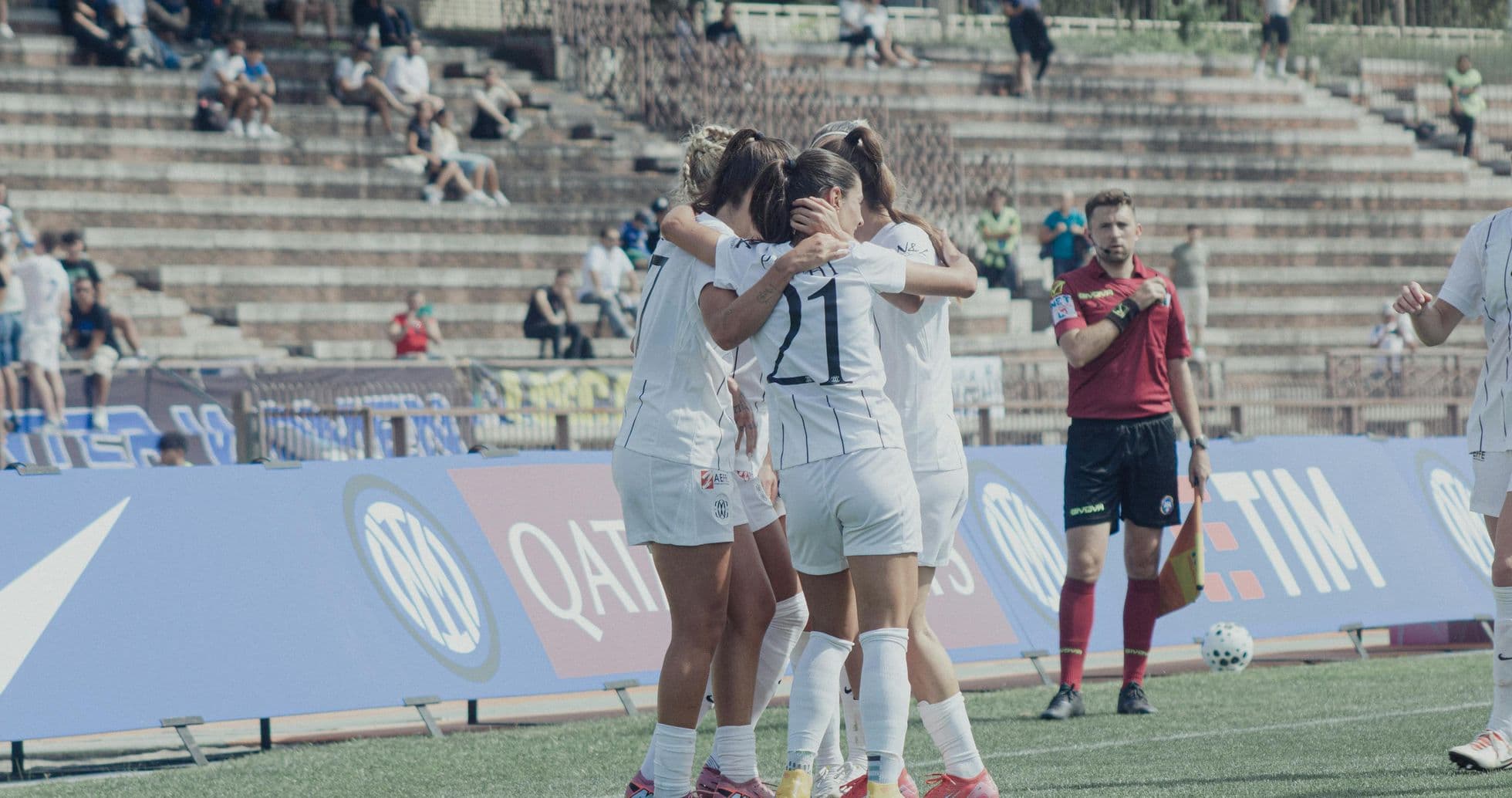
Under a grey Terni sky at Stadio Libero Liberati, Ternana W closed their Serie A Women season with the kind of statement home performance that had eluded them for long stretches of the campaign. The 1–0 victory over AC Milan W, sealed after a tense tactical arm wrestle, felt like a distilled version of their seasonal identity: fragile in the aggregate numbers, but stubborn, emotional and capable of upsetting better-ranked opposition when the night bends their way.
Following this result, the table still reflects the broader arc. Ternana W finish 10th with 17 points, their overall goal difference of -21 the product of 19 goals scored and 40 conceded in total. AC Milan W, by contrast, close out in 7th on 32 points, their overall goal difference a positive 5, built from 31 goals for and 26 against in total. Across 22 matches each, Milan have been the more balanced and consistent side, but this finale underlined how little that can matter over 90 minutes when a desperate home team leans into its strengths.
At home, Ternana’s season has always been a different story to their travels. They finish with 3 wins, 4 draws and 4 defeats in 11 home games, scoring 15 and conceding 17. On their travels, Milan brought a more solid profile into Terni: 4 away wins, 2 draws and 5 defeats, with 13 goals scored and only 11 conceded away. On paper, this was a test of whether Milan’s away solidity could hold against a Ternana side whose home attacking average of 1.4 goals per game had been their one bright statistical thread.
Tactical Voids and Discipline
There were no explicit absentees flagged in the data, so the tactical story begins with who was trusted from the start. Mauro Ardizzone went with experience and industry: K. Schroffenegger in goal, a defensive line anchored by C. Martins, E. Pacioni, M. Massimino and L. Peruzzo, and a midfield spine built around S. Breitner and C. Ciccotti. Up front, the creativity and running of A. Regazzoli, M. Petrara, M. Porcarelli and A. Gomes hinted at a plan to stretch Milan in transition rather than dominate the ball.
Suzanne Bakker’s Milan XI, by contrast, looked like a side set to control territory: S. Estevez between the posts; E. Koivisto, N. Sorelli, K. De Sanders and M. Keijzer forming a back line comfortable on the ball; and a midfield core of V. Cernoia, M. Mascarello and C. Grimshaw to dictate tempo. Ahead of them, M. Renzotti, E. Kamczyk and T. Kyvag offered movement between the lines and wide threat.
Disciplinary trends framed an undercurrent of risk. Across the season, Ternana’s yellow card distribution shows a distinct late-game spike: 25.00% of their yellows arriving between 76–90 minutes, with a steady spread earlier. Their red cards have been brutally concentrated: 100.00% in the 31–45 minute window. Milan, meanwhile, live dangerously across the second half: 30.00% of their yellows between 76–90 minutes, and red cards spread evenly across 46–60, 61–75 and 76–90 minutes at 33.33% each. This fixture, tight and tense, always threatened to tilt on who kept their heads as fatigue and emotion rose.
Key Matchups
Hunter vs Shield
The season’s “hunter” for Ternana has been V. Pirone, their leading scorer with 6 goals and 1 assist overall. Her profile is that of a relentless focal point: 23 total shots, 9 on target, 14 key passes, and a remarkable ability to draw fouls (37 drawn vs 16 committed). Critically, she has also lived the full penalty drama: 5 scored but 1 missed from the spot, a reminder that even her most clinical moments have come with risk.
Facing her across the season’s narrative was Milan’s collective defensive record away: only 11 goals conceded on their travels, an away average of 1.0 goals against per game. M. Keijzer embodies that resilience. Over 868 minutes, she has won 41 of 77 duels, completed 23 tackles, and, crucially, blocked 3 shots. Her red card this season underlines how fine the line is between aggression and overstepping, but when she channels that edge, Milan’s back line becomes difficult to pierce.
Even if Pirone was not in this particular starting XI, the structural duel remained the same: Ternana’s home habit of creating enough chaos to score, against Milan’s preference for keeping away matches low-scoring and controlled. The 1–0 scoreline is almost a perfect midpoint of those identities.
Engine Room
In midfield, the “engine room” confrontation was layered. For Ternana, Giada Cimò has been their most rounded creator across the campaign: 3 goals, 1 assist, 15 key passes and 25 tackles, with 72 duels won from 135. She is the player who stitches their transitions together, capable of both breaking up play and threading the first forward pass.
On the Milan side, the creative axis belongs to K. van Dooren and Park Soo-Jeong, even though neither started here. Van Dooren’s 5 goals from midfield, 8 key passes and 78% passing accuracy paint the picture of a late-arriving threat who can punish any midfield that retreats too deep. Park, with 4 assists, 14 key passes and 78% passing accuracy, is the subtle connector who turns possession into chances without needing volume shooting.
On the day, C. Grimshaw and M. Mascarello carried much of that creative and combative burden. Grimshaw’s season numbers – 2 assists, 11 key passes, 10 successful dribbles and 4 blocked shots – show a midfielder equally willing to progress play and drop into the defensive line. Mascarello, with 368 passes at 77% accuracy and 15 key passes, plus 13 tackles, is Milan’s metronome with bite. Their duel with Ternana’s central trio, especially Ciccotti and Breitner, defined the rhythm: Milan probing, Ternana compressing space and looking for the single decisive break.
Statistical Prognosis and Tactical Verdict
Following this result, the raw numbers still insist Milan are the more complete side over a season. Overall, they average 1.4 goals for and 1.2 against per game, compared to Ternana’s 0.9 for and 1.8 against in total. Milan’s 7 clean sheets overall and only 8 total failures to score speak to a team that usually finds a way to impose itself. Ternana, by contrast, have 5 clean sheets overall but failed to score 10 times, a pattern of feast-or-famine attacking.
Yet this 1–0 home win fits neatly inside Ternana’s statistical niche. At home, they score 1.4 and concede 1.5 on average; they are used to open, marginal games where a single moment swings the outcome. Their penalty record – 6 scored from 6 overall, with 0 missed this league campaign despite Pirone’s one miss in her broader profile – reinforces the idea of a side that, when given a lifeline at Libero Liberati, tends to seize it.
Milan’s away profile, with only 1.2 goals for and 1.0 against on their travels, predisposes them to tight margins. In such matches, their disciplinary edge becomes a fault line. With red cards spread across the second half and 30.00% of their yellows arriving in the final quarter-hour, any late push can be undermined by a mistimed challenge or emotional overreaction. Against a Ternana side whose own yellow-card peak is also in the 76–90 window (25.00%), the closing stages were always likely to be ragged rather than controlled.
Tactically, the verdict is that Ardizzone’s Ternana embraced the game state more intelligently. They leaned into compactness, trusted Schroffenegger and a back line that has taken its share of punishment across the season, and picked their moments to spring through runners like Gomes, Porcarelli and Petrara. Milan, with a structure built to dominate the ball, found themselves chasing a match that refused to open up in the way their season-long xG profile would usually demand.
If this were a pre-match prognosis, the numbers would have tilted narrowly towards Milan: better overall goal difference, more wins, more clean sheets, and a more consistent scoring rate. Following this result, the story is different. Ternana’s seasonal DNA remains that of a struggling side, but this 1–0 win shows how, in a single match, their home aggression, penalty ruthlessness and capacity to suffer without the ball can overturn the logic of the table. Milan leave Terni with their season-long strengths intact on paper, but tactically outmanoeuvred in the only 90 minutes that mattered.
Related News

Napoli W vs Sassuolo W: Serie A Women Season Finale Analysis

Ternana W Upset AC Milan W in Serie A Women Finale

Parma W vs Juventus W: Serie A Women's Match Analysis
Como W Shocks Inter Milano W with 3–0 Victory

Fiorentina W vs Lazio W: Serie A Women Season Finale Insights

Napoli W vs Sassuolo W Match Preview: Serie A Women