
AC Milan Edges Genoa 2–1: Tactical Insights and Match Analysis
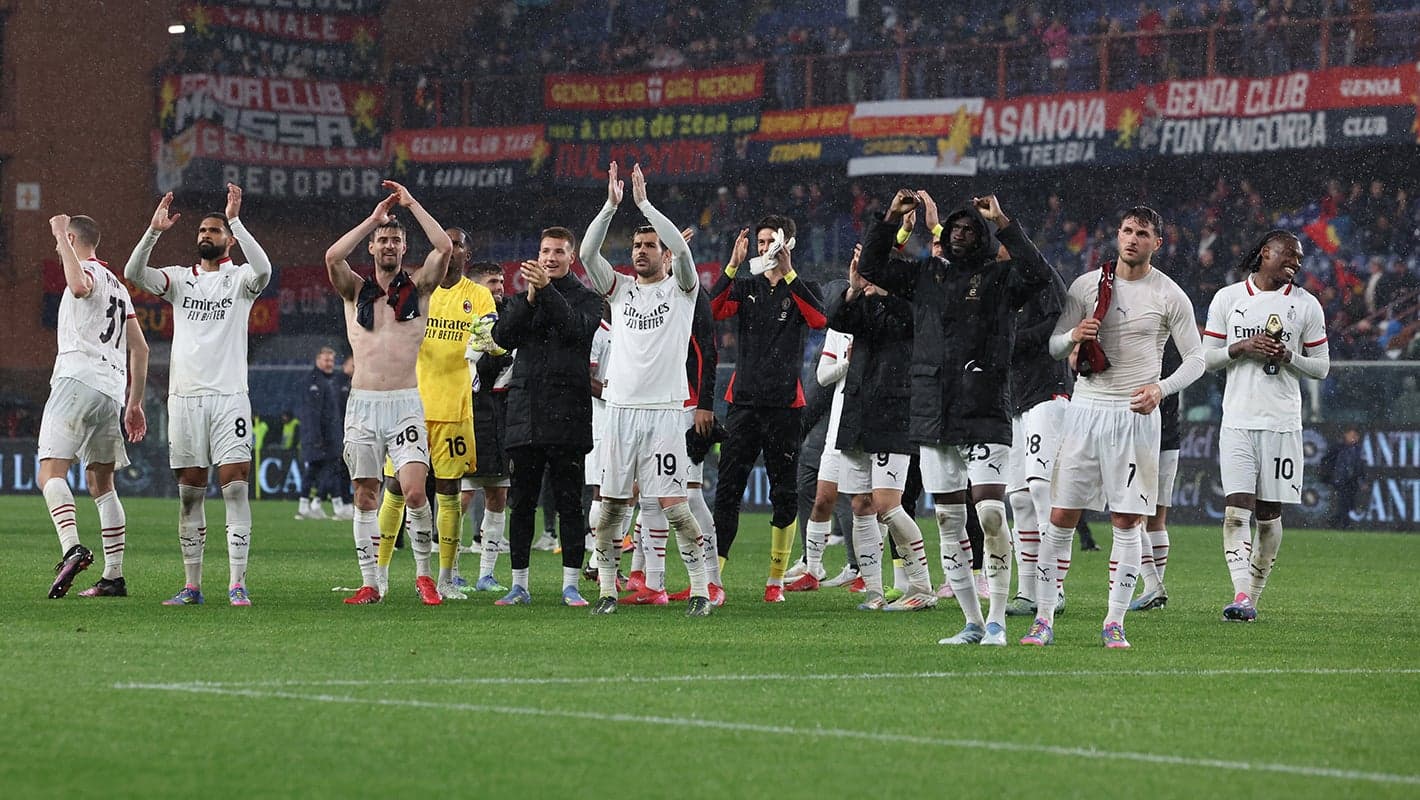
Stadio Luigi Ferraris closed its doors on a tight, nervy afternoon with AC Milan edging Genoa 2–1, a result that underlined the gap between a side clinging to mid‑table safety and another polishing its Champions League credentials. Following this result, the table tells a clear story: Genoa sit 14th on 41 points with a goal difference of -9 (41 scored, 50 conceded) from 37 matches, while Milan, in 3rd, have 70 points and a goal difference of 19 (52 scored, 33 conceded).
The Big Picture – Shapes, Stakes, and Seasonal DNA
The tactical canvas was striking from the first whistle. Daniele De Rossi rolled out a 4‑3‑2‑1 for Genoa, a departure from their more habitual back‑three structures (they have used 3‑5‑2 in 18 league games, 3‑4‑2‑1 in 9). It was a statement of intent: four defenders to protect a team that concedes, overall, 1.4 goals per game, but with two advanced midfielders to link with a lone striker.
J. Bijlow anchored the side in goal behind a back four of M. E. Ellertsson, A. Marcandalli, S. Otoa and J. Vasquez. In front of them, M. Frendrup, Amorim and R. Malinovskyi formed a combative midfield trio, with T. Baldanzi and Vitinha operating between the lines behind L. Colombo. It was a narrow, vertical structure, designed to compress the central corridor and play quickly into the feet of the front three.
Massimiliano Allegri, by contrast, leaned on continuity. Milan’s 3‑5‑2 has been their season’s backbone, deployed 33 times, and it appeared again in Genoa. M. Maignan stood behind a trio of S. Pavlovic, M. Gabbia and F. Tomori. Across midfield, D. Bartesaghi, A. Rabiot, A. Jashari, Y. Fofana and Z. Athekame stretched the pitch, with S. Gimenez and C. Nkunku leading the line.
The seasonal numbers framed the contest. Heading into this game, Genoa had scored 41 goals in total, averaging 1.2 at home and 1.1 overall, but had failed to score in 14 league matches. Milan, meanwhile, brought the profile of an efficient machine: 52 goals in total, with a sharper edge on their travels at 1.5 away goals per game and a miserly 0.7 away goals conceded.
Tactical Voids – Absences and Discipline
Both managers were forced into significant re‑writes by absences. Genoa’s list of missing players was long and structural: M. Cornet and Junior Messias (both muscle injuries), B. Norton‑Cuffy (thigh injury), J. Onana (injury) and L. Ostigard (knock) all unavailable. That stripped De Rossi of wide depth, ball‑winning presence and an experienced centre‑back option, nudging him toward a flatter back four and a midfield built more on technique than pure disruption.
For Milan, the suspensions of P. Estupiñan, R. Leao and A. Saelemaekers due to yellow‑card accumulation were equally decisive. Without Leao’s nine‑goal, three‑assist vertical chaos, Allegri leaned into a more collective front line, asking Gimenez and Nkunku to share the burden of stretching Genoa’s defence. The absence of Estupiñan, who has 1 red card and 5 yellows this season, subtly altered the left flank’s aggression profile.
Seasonal disciplinary patterns added an undercurrent of risk. Genoa’s yellow‑card distribution peaks between 61–75 minutes at 25.40%, signalling a side that often loses composure as fatigue bites. Milan’s own peak sits later, with 25.81% of their yellows arriving in the 76–90 minute band, a warning that their late‑game intensity can easily spill over. Both teams also share a curious symmetry with red cards: for each, dismissals are spread evenly at 33.33% in three separate time bands, underlining how a single duel can swing their emotional balance at any stage.
Key Matchups – Hunter vs Shield, Engine Room Battles
The “Hunter vs Shield” narrative was complex for Genoa. Without a standout league top scorer in the data, the creative and shooting burden fell heavily on R. Malinovskyi. His season – 6 goals, 3 assists, 43 shots, 39 key passes – paints him as the primary threat from distance and set pieces. Operating as the left‑sided midfielder in the 4‑3‑2‑1, he constantly looked to find pockets around A. Jashari and Y. Fofana, testing the seams between Milan’s midfield and back three.
Milan’s defensive “shield” has been elite on their travels: just 14 away goals conceded, an average of 0.7. F. Tomori’s front‑foot aggression, backed by the covering intelligence of Gabbia and Pavlovic, allowed Milan to hold a relatively high line. The duel zones were clear: Malinovskyi drifting into half‑spaces, Vitinha and Baldanzi looking for quick wall passes, and Tomori stepping out to break those combinations before they could turn into shots from the edge of the box.
In the “Engine Room”, the clash was even more intriguing. For Genoa, Malinovskyi’s creativity was complemented by the industry of Frendrup and the positional discipline of Amorim. Against them, Milan fielded a three‑man core of Rabiot, Jashari and Fofana. Rabiot’s capacity to shuttle and carry, Jashari’s distribution and Fofana’s ball‑winning gave Milan a three‑layered midfield capable of both smothering Genoa’s central build‑up and springing counters.
On the flanks, the looming influence of Aarón Martín – one of Serie A’s top assist providers with 5 assists and 60 key passes – hovered from the bench. His ability to deliver from deep and the fact he has blocked 11 shots this season made him a potential late‑game swing piece: a defender who can both shut down a wing and turn one cross into a goal. De Rossi’s choice to start without him suggested a more conservative opening, with the option to introduce his left‑footed quality once the match stretched.
For Milan, Christian Pulisic’s presence among the substitutes added another tactical card. With 8 goals and 4 assists in the league, and 38 key passes, he represents a high‑impact option between the lines. However, his penalty record this season – 0 scored, 1 missed – means Milan’s perfect 7‑from‑7 team penalty conversion owes nothing to him. If a late spot‑kick had arrived, Allegri’s choice of taker would have been shaped by that blemish.
Statistical Prognosis – xG Logic Behind a 2–1
Even without explicit xG numbers, the statistical profiles point towards a game leaning Milan’s way but rarely out of Genoa’s reach. Genoa concede, on average, 1.4 goals overall and 1.4 at home; Milan score 1.5 on their travels and concede just 0.7. Overlay those trends and a projected scoreline of something like 1–2 sits squarely within expectation.
Genoa’s 9 clean sheets in total and Milan’s 15 suggest both are capable of shutting games down, but Genoa’s 14 matches failing to score hint at long droughts when their possession doesn’t translate into clear chances. Against a Milan side that thrives on control and has allowed only 33 goals overall, Genoa’s route to goal was always likely to be narrow: a Malinovskyi strike from range, a rare transition, or a set piece.
The disciplinary curves also shape the late‑game narrative. With Genoa prone to picking up a cluster of yellows between 61–75 minutes and Milan’s spike coming from 76–90, the final half‑hour was destined to be ragged, full of duels and stoppages. That environment favours the better‑structured, deeper squad – and Milan’s bench, featuring Pulisic, L. Modric, R. Loftus‑Cheek and N. Fullkrug, offered a range of solutions to tilt the final phases.
In the end, the 2–1 away win mirrored the season’s logic. Genoa’s 4‑3‑2‑1 brought spirit and moments of quality, especially through Malinovskyi’s left foot and the movement of Baldanzi and Vitinha, but Milan’s 3‑5‑2, even without Leao and Estupiñan, carried the weight of a side accustomed to grinding out results. The numbers had forecast a narrow but decisive advantage for the visitors; the pitch at Luigi Ferraris simply confirmed it.
Related News

David Alaba Poised for Surprising Move to Udinese in Serie A
Milan Dominates Lecce: Tactical Analysis of a 3-0 Victory

Juventus Defeats Atalanta 2-0: Tactical Insights and Key Matchups
Frosinone's Tactical Mastery Shines in 2–0 Victory Over Como

Fiorentina and Napoli Share Points in Serie A Clash
AS Roma vs Inter: Tactical Insights from Serie A Clash