
Como's Tactical Identity Shines in 1–0 Win Over Parma
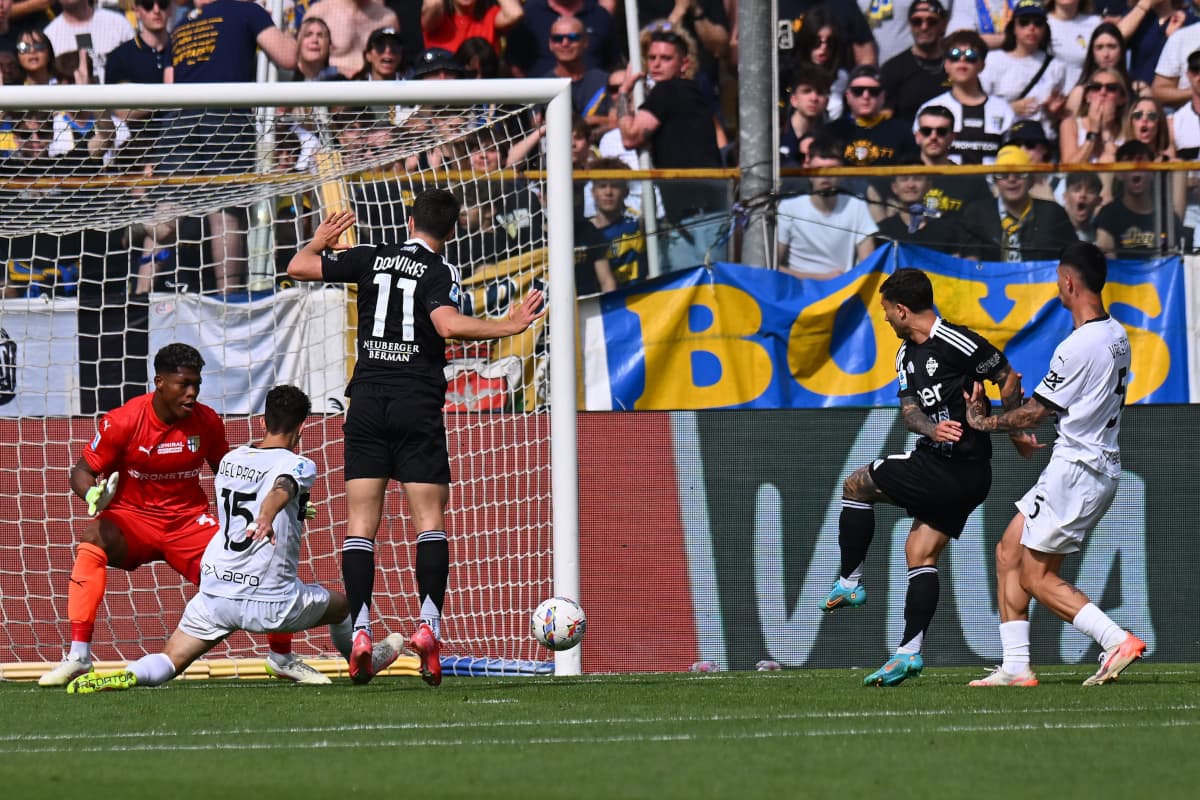
Stadio Giuseppe Sinigaglia felt like a stage for arrival rather than survival. Following this result, Como’s 1–0 win over Parma in Serie A’s Round 37 did more than preserve a strong campaign; it underlined a clear tactical identity that has carried Cesc Fabregas’s side into the upper tier of Italian football.
Overall this season, Como sit 5th with 68 points and a goal difference of +33, built on 61 goals for and 28 against across 37 matches. At home they have been particularly assertive: 10 wins, 6 draws and only 3 defeats, with 35 goals scored and 15 conceded. The 4-2-3-1 Fabregas trusted again here was not just a shape but a statement of continuity from a team that has leaned on structure and control all year.
Parma, by contrast, arrived as a mid-table puzzle still unsolved. They stand 13th with 42 points and a goal difference of -19 (27 scored, 46 conceded in total). On their travels they have been awkward but limited: 6 away wins, 6 draws and 7 defeats, with only 12 away goals for and 21 against. Carlos Cuesta’s 3-5-2 at Sinigaglia was set up to compress space and frustrate, but the broader seasonal numbers show a side that rarely imposes itself in the final third.
Tactical Voids and Selection Choices
Both coaches had to navigate important absences. Como were without J. Addai (Achilles tendon injury), N. Paz (knee injury) and A. Valle (injury). The loss of Paz, in particular, stripped Fabregas of his most productive all-round midfielder: 12 goals and 6 assists this season, plus 86 shots and 51 key passes. His profile – a high-volume carrier and passer who has also missed 2 penalties – normally gives Como vertical thrust and set-piece threat. Without him, the manager leaned more heavily on collective circulation and the double pivot.
That pivot featured M. Perrone and L. Da Cunha in front of a back four of I. Van der Brempt, Jacobo Ramon, M. O. Kempf and A. Moreno. Perrone, who has accumulated 8 yellow cards this campaign, is a quiet metronome with bite: 2,111 passes at 91% accuracy and 56 tackles overall. He became the balancing weight that allowed the advanced trio of M. Caqueret, M. Baturina and A. Diao to rotate and probe between the lines.
Parma’s absences cut into their depth and creativity: A. Bernabe (muscle injury), S. Britschgi (suspended after a red card), B. Cremaschi, M. Frigan, J. Ondrejka and G. Oristanio (all with knee or leg issues) were unavailable. That stripped Cuesta of several potential game-changers and forced him into a more functional XI.
The back three of A. Circati, M. Troilo and L. Valenti was a physical, aerially strong unit. Troilo, Serie A’s leading red-carded player this season with 1 straight red and 1 yellow-red, is a defender who lives on the edge: 25 tackles, 18 blocked shots and 16 interceptions in just 1,546 minutes. Ahead of them, a five-man midfield with E. Delprato and F. Carboni as wing-backs, and M. Keita, H. Nicolussi Caviglia and C. Ordonez inside, was designed to clog Como’s central lanes and protect the penalty area.
Disciplinary trends shaped the emotional tone of the match. Como’s season-long yellow-card profile shows a late-game surge, with 20.25% of their yellows arriving between 61–75 minutes and another 20.25% between 76–90. All of their red cards have also come in that 76–90 window (100.00%). Parma, meanwhile, have their own hot zones: 21.88% of yellows between 46–60 minutes and another 21.88% between 76–90, plus red-card spikes in the 31–45 range (40.00% of their reds) and scattered later. This was always likely to become a tense, attritional contest as fatigue and frustration set in.
Key Matchups: Hunter vs Shield
Up front, the headline duel was “Hunter vs Shield”: Anastasios Douvikas against Parma’s three-man defence. Douvikas, Como’s leading scorer with 13 league goals and 1 assist, is not just a penalty-box poacher. Across 37 appearances he has taken 46 shots (28 on target), created 23 key passes and drawn 40 fouls, while winning 97 of 234 duels. His penalty record – 1 scored, 0 missed – contrasts sharply with Paz’s two missed spot-kicks, underlining why he is the natural focal point in pressure situations.
Against him stood Troilo, Circati and Valenti, a trio whose numbers tell of resilience but also strain. Parma’s total defensive record – 46 goals conceded overall, 21 of them away – speaks to a unit that defends deep but is repeatedly asked to absorb pressure. Troilo’s 18 successful blocks and 16 interceptions highlight his capacity to read danger, yet his disciplinary record means every duel with Douvikas carries risk.
In wide areas, Van der Brempt and Moreno provided Como with the platform to pin Parma’s wing-backs. Van der Brempt’s athleticism and Ramon’s authority at centre-back – 49 tackles, 17 blocked shots and 36 interceptions this season – allowed the home side to hold a high line and compress the pitch. Ramon’s 11 yellow cards and 1 red show how aggressively he defends the space behind the midfield, but his 91% passing accuracy from 2,043 passes underpins Como’s build-up from the back.
The Engine Room: Control vs Disruption
The “Engine Room” battle pitted Como’s technical axis against Parma’s more rugged midfield. Caqueret, Baturina and Diao operated as a fluid band behind Douvikas, with Caqueret in particular knitting moves together. Over the season he has delivered 5 assists from 24 key passes, completing 890 passes at 87% accuracy and attempting 31 dribbles with 17 successes. His profile is that of a tempo-setter who can also break lines.
On the other side, Nicolussi Caviglia and Keita were tasked with disrupting that rhythm. Parma’s midfield as a unit has not been especially prolific – the team averages only 0.7 goals per game overall, 0.6 away – so their primary job here was to deny space rather than create. That left much of the attacking burden on Mateo Pellegrino and G. Strefezza up front.
Pellegrino, Parma’s top scorer with 8 league goals and 1 assist, is a bruising presence who thrives in duels: 525 contested, 224 won, plus 67 fouls drawn and 83 committed. He is a magnet for long balls and second phases, but against a Como side that concedes only 0.8 goals per game overall – and just 0.8 at home – his influence was always going to depend on the quality of service.
Statistical Prognosis and Tactical Verdict
Following this result, the numbers reinforce the story the eye could already see. Como’s season-long attacking output – 1.6 goals per game in total, 1.8 at home – against Parma’s defensive record of 1.2 goals conceded per game overall (1.1 away) pointed towards a narrow home win if Fabregas’s side could sustain pressure and avoid late-game disciplinary lapses.
Defensively, Como’s 19 clean sheets overall, split between 10 at home and 9 away, frame this 1–0 as part of a broader pattern of control. Their ability to keep Parma to zero fits a season in which they have failed to score in only 9 matches total, while Parma have failed to score 16 times overall, including 9 away.
In xG terms, even without explicit figures, the structural indicators are clear: a high-possession, high-chance side with a positive goal difference of +33 facing a low-scoring, negative-GD team (-19) that relies on moments rather than sustained pressure. Como’s repeated use of 4-2-3-1 (33 times this season) and Parma’s reliance on 3-5-2 (18 times) created a familiar chessboard where the home side could overload between the lines and pin back the wing-backs.
The 1–0 scoreline at Sinigaglia, then, felt less like a surprise and more like the logical extension of each side’s season-long DNA. Como, organised and incisive, once again found just enough edge in both boxes. Parma, stubborn but blunt, could not bend the pattern of a campaign that has left them looking up the table, wondering what might have been with a little more firepower and a little less strain on their back line.
Related News

David Alaba Poised for Surprising Move to Udinese in Serie A
Milan Dominates Lecce: Tactical Analysis of a 3-0 Victory

Juventus Defeats Atalanta 2-0: Tactical Insights and Key Matchups
Frosinone's Tactical Mastery Shines in 2–0 Victory Over Como
Fiorentina and Napoli Share Points in Serie A Clash
AS Roma vs Inter: Tactical Insights from Serie A Clash