
Liverpool and Chelsea Draw 1–1: Tactical Stalemate at Anfield
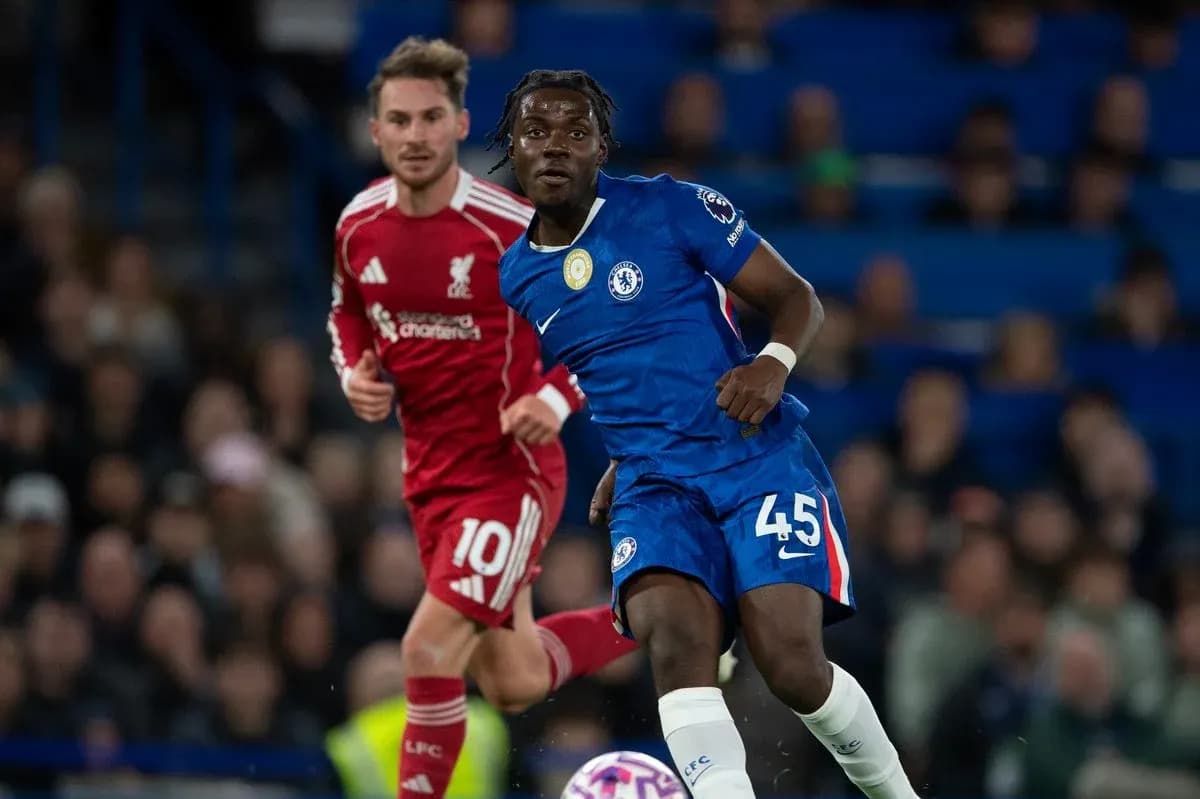
Liverpool and Chelsea shared a 1–1 draw at Anfield in Round 36 of the Premier League, a match defined less by volume of chances and more by structure, control phases, and how both coaches managed narrow margins. Liverpool struck early through Ryan Gravenberch before Enzo Fernández levelled, and from there the game became a tactical arm-wrestle: Liverpool searching for vertical thrust and wing overloads, Chelsea leaning on controlled possession and central stability. With xG essentially even (0.56 vs 0.5) and both goalkeepers registering two saves each, the draw reflected a contest where neither side ever fully broke the other’s defensive organisation.
Key Events
Disciplinary and key-event chronology underlined the match’s evolving tension. The scoring opened at 6' when Ryan Gravenberch finished for Liverpool, assisted by Rio Ngumoha, a move that immediately validated Arne Slot’s decision to start with a fluid, midfielder-heavy line behind Cody Gakpo. Chelsea responded on 35', Enzo Fernández scoring unassisted to restore parity and stabilise Calum McFarlane’s side after a shaky opening phase.
At 50', Cole Palmer had the ball in the net, but a VAR intervention ruled the goal out as “Goal cancelled”, a crucial momentum check that prevented Chelsea from flipping the match’s state early in the second half. From there, substitutions and discipline started to shape the rhythm.
Substitutions
- 63' – Reece James (IN) came on for Andrey Santos (OUT) for Chelsea.
- 67' – Alexander Isak (IN) came on for Rio Ngumoha (OUT) for Liverpool.
- 77' – Federico Chiesa (IN) came on for Cody Gakpo (OUT) for Liverpool.
- 77' – Joe Gomez (IN) came on for Ibrahima Konaté (OUT) for Liverpool.
Disciplinary Log
- 67' Jorrel Hato (Chelsea) — Foul
- 73' Enzo Fernández (Chelsea) — Foul
- 83' Marc Cucurella (Chelsea) — Foul
- 88' Joe Gomez (Liverpool) — Argument
- 89' Moisés Caicedo (Chelsea) — Handball
- 90+4' Alexis Mac Allister (Liverpool) — Persistent fouling
That produces locked totals: Liverpool: 2, Chelsea: 4, Total: 6.
Tactical Overview
Tactically, Liverpool’s approach was built around a hybrid back line and interior dynamism. With Curtis Jones, Ibrahima Konaté, Virgil van Dijk and Miloš Kerkez listed as defenders, Slot had a natural back four, but the personnel ahead of them hinted at a more aggressive midfield press. Ryan Gravenberch, Alexis Mac Allister, Jeremie Frimpong, Dominik Szoboszlai and Rio Ngumoha all started as midfielders behind Cody Gakpo, giving Liverpool five technically strong, mobile players between the lines.
In possession, this likely manifested as Mac Allister anchoring with Gravenberch and Szoboszlai alternating between half-spaces, while Frimpong and Ngumoha provided width and depth in wide channels. The early goal at 6' from Gravenberch, assisted by Ngumoha, fits a pattern of Liverpool attacking the right side: Ngumoha finding space to create, Gravenberch arriving from midfield to finish. The fact Liverpool generated 5 shots inside the box (out of 8 total) suggests their structure was effective at reaching good zones, even if the final volume of chances remained modest.
Defensively, Liverpool committed 17 fouls and collected two late yellows (Gomez for “Argument” at 88', Mac Allister for “Persistent fouling” at 90+4'), an indication of rising frustration and tactical fouling to disrupt Chelsea’s late phases. Giorgi Mamardashvili made 2 saves, with a negative “goals prevented” figure (-0.49) implying he conceded slightly more than the post-shot quality would predict; however, with Chelsea’s xG at just 0.5 and only 3 shots on target, Liverpool’s Defensive Index on the day was solid: low volume conceded, one clean finish allowed, and a disallowed goal via VAR that owed more to structural intervention than goalkeeping.
Chelsea’s shape was more orthodox but equally layered. With Malo Gusto, Wesley Fofana, Levi Colwill and Jorrel Hato as a back four, and Andrey Santos plus Moisés Caicedo as the central midfield base, McFarlane could afford to push Cole Palmer, Enzo Fernández and Marc Cucurella high behind João Pedro. Enzo’s equaliser at 35' underlines how advanced he was allowed to operate; listed as a midfielder, he functioned as a key attacking reference between the lines rather than a pure pivot.
Chelsea’s 52% possession, 515 total passes and 87% passing accuracy show a side comfortable circulating the ball and drawing Liverpool out. The substitution of Reece James (IN) for Andrey Santos (OUT) at 63' likely rebalanced the right flank, with James providing more overlap and delivery while Caicedo remained as the primary defensive screen. The disciplinary pattern, however, suggests Chelsea had to defend aggressively in transition and wide areas: Hato, Enzo and Cucurella all booked for “Foul” (67', 73', 83'), and Caicedo for “Handball” at 89'. That cluster of four yellows points to a team repeatedly forced into last-ditch or cynical interventions as Liverpool tried to break lines late on.
Filip Jørgensen, like Mamardashvili, made 2 saves and also posted -0.49 in goals prevented, reinforcing the idea that neither keeper decisively outperformed xG. With only 6 total shots and 3 on target, Chelsea’s attacking output was efficient but not expansive; their main tactical victory lay in controlling tempo and limiting Liverpool’s transitions rather than overwhelming them with volume.
Statistical Verdict
From a statistical verdict perspective, the match was finely poised. Liverpool: 48% possession, 8 shots (3 on target), 5 corners, 473 passes at 84% accuracy, xG 0.56. Chelsea: 52% possession, 6 shots (3 on target), 2 corners, 515 passes at 87% accuracy, xG 0.5. Both sides committed 17 fouls, but the card distribution — Chelsea 4 yellows, Liverpool 2 — shows Chelsea paid a higher disciplinary price for their defensive interventions.
Overall Form-wise, both teams showed the traits of high-level sides: structured pressing, careful risk management, and heavy reliance on midfielders for chance creation. In Defensive Index terms, each back line can claim partial success: one goal conceded, low xG allowed, and minimal shots on target faced. The VAR decision against Cole Palmer at 50' becomes the hinge moment; had it stood, Chelsea’s more controlled possession strategy might have yielded an away win. Instead, the game settled into equilibrium, with the 1–1 scoreline and near-identical xG capturing a tactical stalemate more than a missed opportunity for either side.
Related News
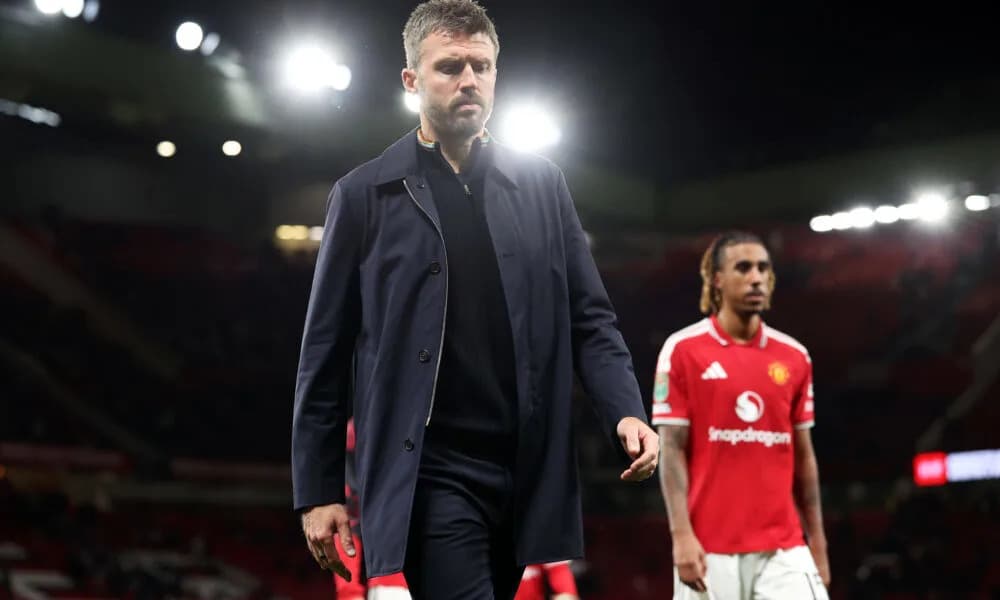
Premier League Managers Facing Potential Sackings During International Break
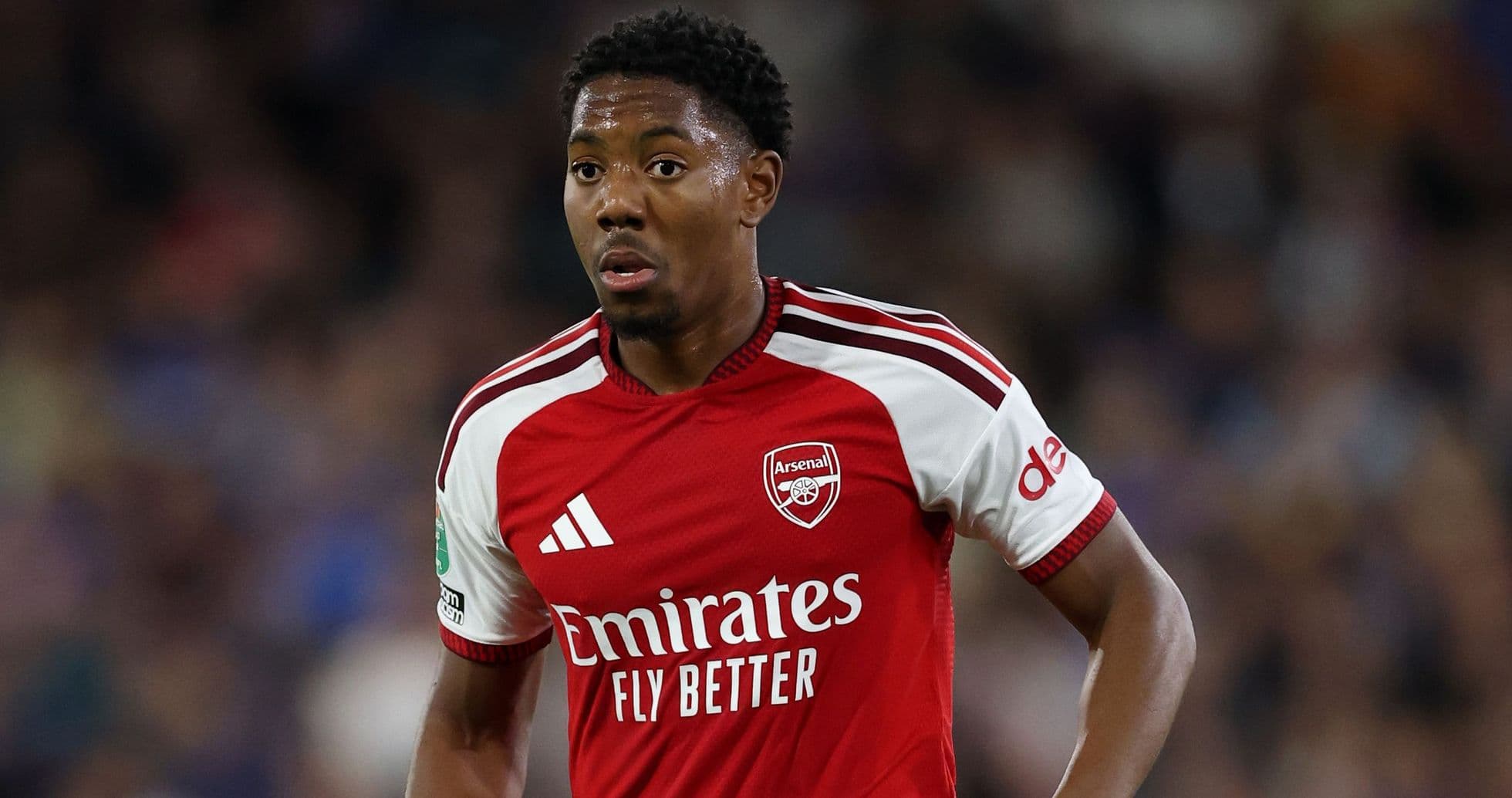
Arsenal's Myles Lewis-Skelly Names Unexpected Tottenham Rival as Toughest Premier League Opponent

Three Premier League Players Shining Early This Season
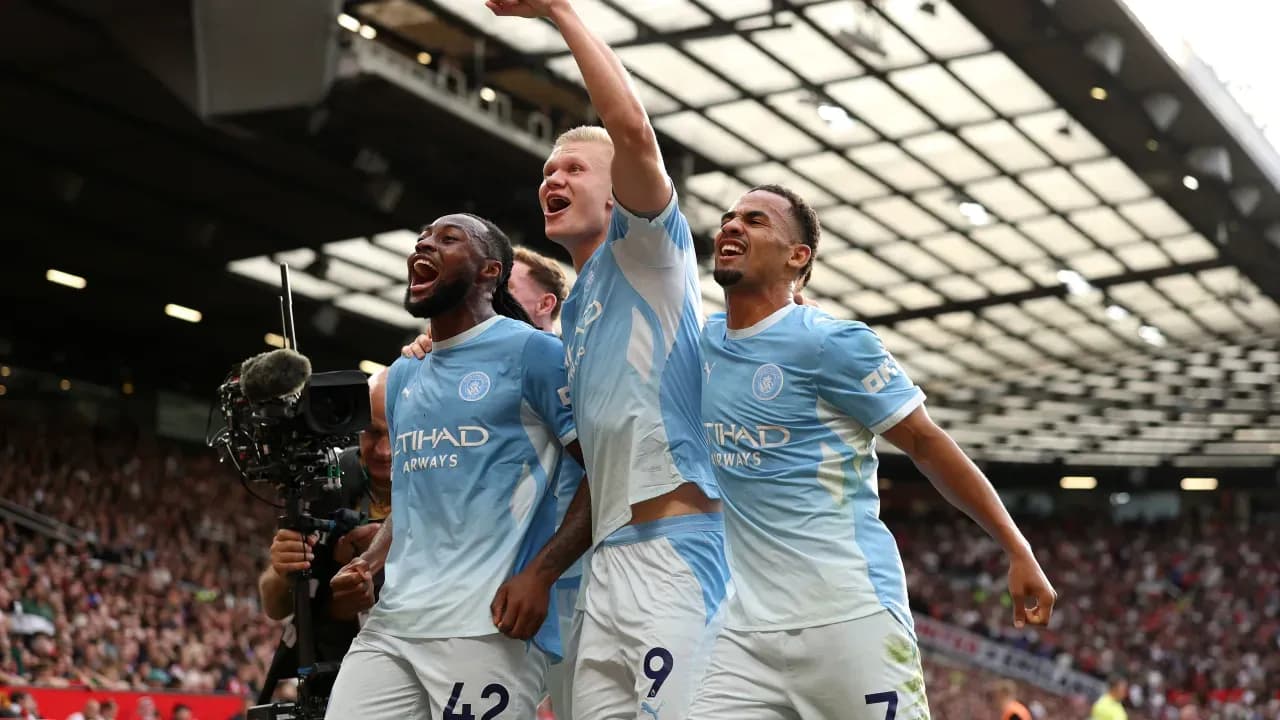
Premier League Early Season Reactions: Man City’s Strength, Arsenal’s Flaws, United’s Struggles

Premier League Returns October 10 After Extended September-October International Break
Fulham and Manchester United Share Points in 1-1 Draw