
Sunderland vs Manchester United: Tactical Analysis of Goalless Draw
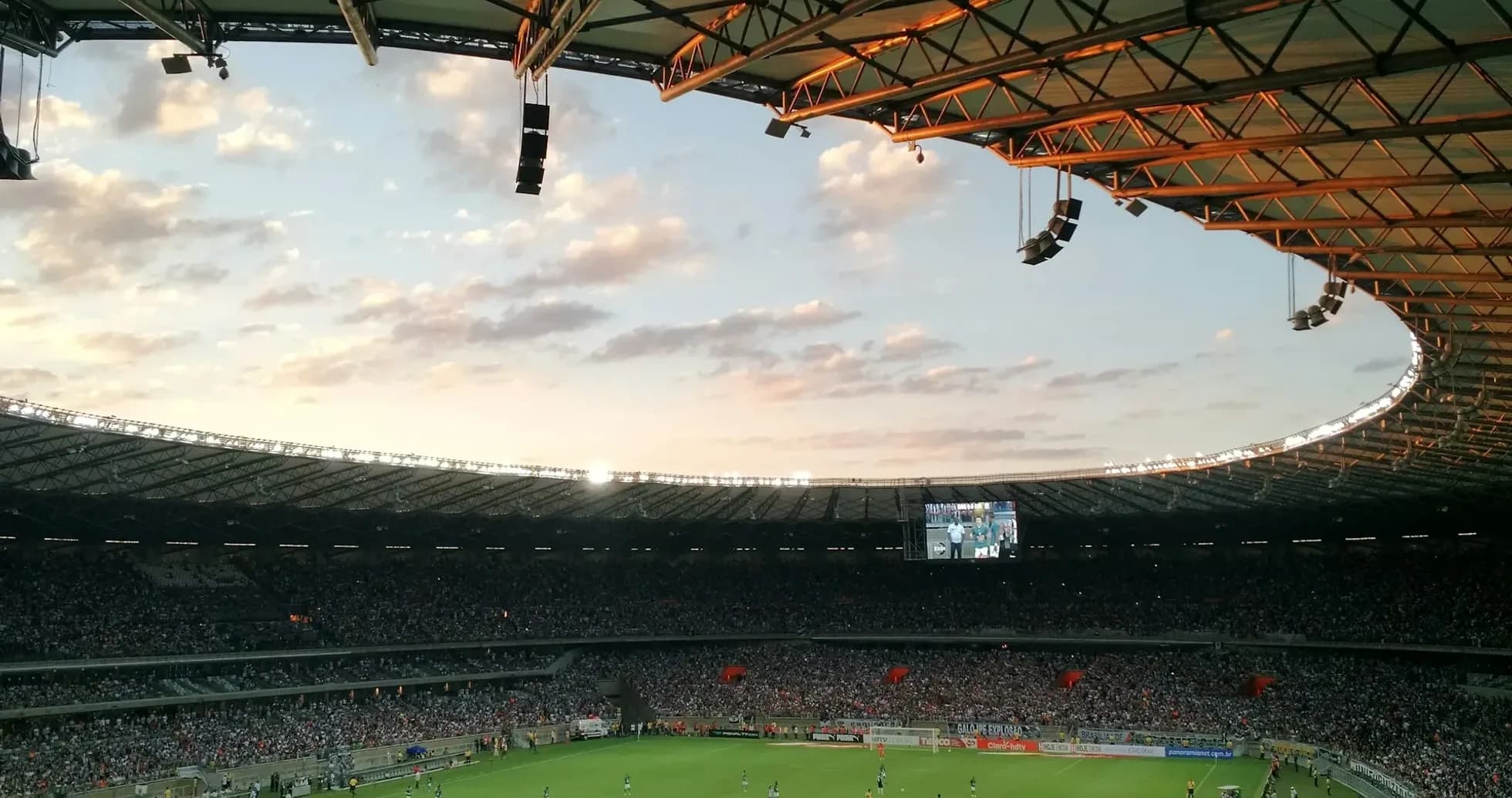
Sunderland and Manchester United played out a goalless but tactically rich 0–0 at the Stadium of Light in Premier League Round 36, a match defined more by structure and control than by penalty-box chaos. Sunderland, under Regis Le Bris, edged possession 51–49 and outshot United 15–11, generating the higher attacking threat (1.25 xG to 0.62). Yet both sides’ goalkeepers and defensive organisation ensured the scoreline never moved, despite Sunderland’s territorial edge and United’s sporadic transitions.
The result reflects a finely balanced contest in which Sunderland’s collective pressing and build-up were marginally superior, while Michael Carrick’s United leaned on compactness, discipline out of possession, and selective counter-attacks.
I. Executive Summary
Sunderland used a controlled, pass-oriented approach (493 passes at 84% accuracy) to dictate the rhythm, especially through their midfield trio and full-backs stepping high. Manchester United, with 478 passes at 82% accuracy, accepted slightly less of the ball but focused on verticality through Bruno Fernandes and the forward line. Defensively, Sunderland allowed only one shot on target and required just one save from Robin Roefs, underlining how well their back four protected the box. At the other end, Senne Lammens’ four saves and United’s 1.81 goals prevented underlined the importance of last-line interventions to secure a point.
II. Scoring Sequence & Disciplinary Log
There were no goals and no VAR interventions in the match; the 0–0 score at half-time remained unchanged through full-time.
The disciplinary story was entirely on Manchester United’s side, with three yellow cards and none for Sunderland. Chronologically, the cards were:
- 54' Mason Mount (Manchester United) — Foul
- 58' Joshua Zirkzee (Manchester United) — Foul
- 90+3' Matheus Cunha (Manchester United) — Simulation
Total cards: Sunderland 0, Manchester United 3, Total 3.
The pattern of bookings reveals United’s struggle to contain Sunderland’s possession phases without conceding territory. Mount’s caution at 54' for “Foul” likely came from a late intervention as Sunderland tried to accelerate through midfield. Just four minutes later, Zirkzee’s “Foul” yellow at 58' suggests a forward working back into deeper zones, possibly reacting to Sunderland’s attempts to play out under pressure. The late card for Matheus Cunha at 90+3' for “Simulation” indicates a final attempt to manufacture a decisive moment in the box or the final third, rebuffed by the referee.
Substitution chronology, following the events log, also shaped the tactical flow:
- 65' Patrick Dorgu (IN) came on for Joshua Zirkzee (OUT) — Manchester United
- 75' Bryan Mbeumo (IN) came on for Amad Diallo (OUT) — Manchester United
- 79' Nilson Angulo (IN) came on for Chemsdine Talbi (OUT) — Sunderland
- 90' Eliezer Mayenda (IN) came on for Trai Hume (OUT) — Sunderland
These changes subtly shifted both teams’ structures without altering the scoreline.
III. Tactical Breakdown & Personnel
Sunderland’s approach under Regis Le Bris was built on controlled possession and layered occupation of the central channels. With 51% of the ball, 493 total passes, and 414 accurate (84%), they prioritised secure progression. The back four of Lutsharel Geertruida, Nordi Mukiele, Omar Alderete, and Reinildo Mandava provided a stable platform, with Geertruida and Reinildo likely stepping into midfield lines to support circulation and overloads.
Granit Xhaka anchored the midfield, offering a secure first outlet and switching play, while Noah Sadiki and Trai Hume added legs and vertical runs. Enzo Le Fée functioned as the primary connector, linking midfield to the front, and Chemsdine Talbi worked between lines to draw United’s shape narrow. Brian Brobbey led the line, providing a focal point for direct balls and lay-offs. Sunderland’s 15 total shots, with 9 inside the box, show that their structure regularly delivered the ball into advanced zones; however, only 4 shots on target highlights some inefficiency in final execution against a compact United block.
Defensively, Sunderland were excellent. They committed 12 fouls but received no cards, suggesting controlled aggression and good timing in challenges. Robin Roefs needed just 1 save, and United finished with only 1 shot on target from 11 attempts. Sunderland’s defensive index on the day was high: they protected central areas, limited clear looks, and forced United to lower-quality attempts (0.62 xG).
Michael Carrick’s Manchester United set up with a back four of Noussair Mazraoui, Harry Maguire, Lisandro Martínez, and Luke Shaw. This unit, supported by Kobbie Mainoo’s screening and Mason Mount’s two-way work, absorbed sustained Sunderland pressure. Despite conceding 15 shots, they limited the quality of chances, and when Sunderland did break through, Senne Lammens responded with 4 saves. The “goals prevented” figure of 1.81 for United underscores how crucial Lammens’ interventions were, especially relative to Sunderland’s 1.25 xG.
In possession, Mainoo and Mount provided the base, with Bruno Fernandes as the creative hub, Matheus Cunha and Amad Diallo operating as flexible midfield attackers, and Joshua Zirkzee as the central forward. United’s 11 shots (6 inside the box) show they did manage to reach advanced areas, but the combination of Sunderland’s structure and perhaps conservative risk-taking meant they rarely turned these positions into high-quality chances.
The substitutions altered profiles rather than the fundamental game model. Patrick Dorgu replacing Zirkzee at 65' likely shifted United toward more width and defensive solidity on the flank, perhaps moving a midfielder or attacker into a more central role. Bryan Mbeumo for Amad Diallo at 75' introduced a more direct, transition-oriented threat, aiming to exploit space as Sunderland pushed. For Sunderland, Nilson Angulo for Talbi at 79' injected fresh attacking energy between lines, while Eliezer Mayenda for Hume at 90' suggested a late, more aggressive tilt toward a winner, with extra forward presence.
IV. The Statistical Verdict
From a statistical standpoint, Sunderland can feel they had the stronger platform to win. They led in total shots (15–11), shots on goal (4–1), and xG (1.25–0.62), while also edging possession and pass accuracy. Their overall form on the day — in terms of territorial control, chance volume, and defensive solidity — was superior.
Defensively, Sunderland’s index was outstanding: 1 save required, 1 shot on target conceded, and no bookings despite 12 fouls. United’s defensive performance was more last-line heavy. They conceded more volume and higher xG but compensated through Lammens’ 4 saves and a collective ability to block and contest shots (5 blocked for each side). The 1.81 goals prevented figure for United indicates that, without their goalkeeper’s performance, Sunderland’s statistical advantage would likely have translated into a goal.
Discipline tilted against United with three yellow cards (two for “Foul”, one for “Simulation”) versus none for Sunderland, reflecting the pressure Carrick’s side were under for spells. Ultimately, the 0–0 final score masks a match in which Sunderland’s structure and chance creation were marginally superior, but United’s defensive resilience and goalkeeping ensured a share of the points.
Related News
Premier League Managers Facing Potential Sackings During International Break
Arsenal's Myles Lewis-Skelly Names Unexpected Tottenham Rival as Toughest Premier League Opponent

Three Premier League Players Shining Early This Season
Premier League Early Season Reactions: Man City’s Strength, Arsenal’s Flaws, United’s Struggles

Premier League Returns October 10 After Extended September-October International Break

Fulham and Manchester United Share Points in 1-1 Draw