
Torino Edges Sassuolo in Tactical Battle

Under the Turin lights at Stadio Olimpico Grande Torino, this was a meeting of two mid‑table sides whose seasons have been defined less by glamour than by grind. Torino, 12th in Serie A with 44 points and a goal difference of -18 (41 scored, 59 conceded overall), edged a 2–1 win over an 11th‑placed Sassuolo side sitting on 49 points and a goal difference of -2 (44 for, 46 against overall). Following this result in Round 36 of the regular season, the table tells of two teams with similar ceilings but very different footballing identities.
Torino’s seasonal DNA has been about suffering and surviving. Overall they average 1.1 goals for and 1.6 against per game, but that balance shifts at home: 25 goals for and 27 against in 18 matches, built on 8 home wins. Leonardo Colucci’s choice of a 3‑4‑2‑1 stayed true to that: compact, combative, and reliant on moments of incision from the front three. Sassuolo, by contrast, arrived with a cleaner statistical profile. Fabio Grosso’s 4‑3‑3 is almost doctrinal at this point – 34 league matches in that shape – and the numbers reflect a side that embraces risk: 1.2 goals for and 1.3 against overall, with a symmetrical 23 scored and 23 conceded both at home and on their travels.
The tactical voids on the night were as revealing as those on the pitch. Torino were again without Z. Aboukhlal, F. Anjorin and A. Ismajli, all listed as missing through injury. That stripped Colucci of a direct wide threat, an extra creative option between the lines, and depth in the back line. It made the selection of N. Vlasic and A. Njie behind G. Simeone all the more important – these were not just starters, but structural pillars.
Sassuolo’s absences cut even deeper into their rotation. D. Boloca’s muscle injury removed a versatile midfield presence; F. Cande and E. Pieragnolo were both out with knee injuries; J. Idzes missed out with a foot problem; and A. Fadera was suspended due to yellow cards. For a side that already walks a disciplinary tightrope – their season card map shows a heavy late‑game yellow card surge, with 28.75% of their cautions coming between 76‑90 minutes and another 15.00% between 91‑105 – the loss of Fadera’s energy and Boloca’s balance tilted more responsibility onto the starters.
Colucci’s XI was set up as a chain of interlocking roles. A. Paleari anchored the back three of L. Marianucci, S. Coco and E. Ebosse, a line designed more for duels than for build‑up artistry. Ahead of them, the wing‑back band of V. Lazaro and R. Obrador flanked a central duo of M. Prati and G. Gineitis. Their job was to compress space around Sassuolo’s midfield triangle, then spring forward to support the front three.
The attacking trident was Torino’s clearest statement of intent. G. Simeone, one of Serie A’s sharper penalty‑box forwards this season with 11 league goals from 30 appearances, led the line. His numbers tell of a relentless, if sometimes wasteful, hunter: 56 shots, 28 on target, 19 key passes, and a bruising 271 duels contested, 106 won. Behind him, Vlasic floated as the primary connector, while Njie offered vertical runs to stretch the back four.
Sassuolo’s 4‑3‑3, on paper, was rich with technical quality. A. Muric started in goal behind a back four of W. Coulibaly, S. Walukiewicz, T. Muharemovic and J. Doig. The midfield three was a blend of steel and subtlety: L. Lipani as the runner, N. Matic as the deep‑lying organiser, and K. Thorstvedt as the box‑to‑box disruptor. Thorstvedt’s season numbers underline his dual role: 4 goals and 4 assists, 981 passes at 81% accuracy, 43 tackles and 13 successful blocked shots – a midfielder who can both break lines and break up play.
Ahead of them, the front line carried Sassuolo’s creative burden. A. Laurienté, one of the league’s top assist providers with 9 this campaign, is the side’s chaos agent: 75 dribble attempts, 52 key passes and 728 total passes at 84% accuracy. On the opposite flank, C. Volpato offered a more subtle left‑footed threat, while A. Pinamonti led the line. Pinamonti’s 8 goals and 3 assists from 34 appearances are shaded by the detail that matters in high‑pressure moments: he has missed 1 penalty this season and carries a red card on his disciplinary record. When Sassuolo tilt the game towards the box, he is both their spearhead and a potential liability if frustration creeps in.
The “Hunter vs Shield” duel was defined by Simeone against a Sassuolo defence that has conceded 23 goals on their travels in 18 away matches – an average of 1.3 per away game. Torino’s own home attack, averaging 1.4 goals at Stadio Olimpico Grande Torino, suggested that if Simeone could pin Walukiewicz and Muharemovic deep, the hosts would generate enough volume for him to matter. So it proved: his constant movement and willingness to duel created the spaces Vlasic and Njie needed to exploit.
In the “Engine Room” battle, Matic’s presence as Sassuolo’s metronome and enforcer was critical. Across the season he has completed 1,645 passes at 86% accuracy, added 42 tackles and 10 successful blocks, and yet walked a disciplinary line with 7 yellow cards and 1 red. Opposite him, Prati and Gineitis were less heralded but tactically vital, tasked with smothering Matic’s passing lanes and forcing Sassuolo wide, where Torino’s back three and wing‑backs could compress the touchline.
Discipline, as the statistics foretold, loomed over the contest. Torino’s yellow card profile shows a steady rise through the match, peaking at 21.74% between 91‑105 minutes, while Sassuolo’s late‑game spike at 76‑90 and beyond hinted at a side that grows increasingly frantic when chasing a result. In a tight 2–1, those tendencies shape not just the tempo but the territory: free‑kicks conceded, transitions allowed, and the emotional temperature of the final minutes.
Without xG data, the statistical prognosis leans on patterns rather than precise decimals. Torino, a side that has kept 5 clean sheets at home and failed to score only 3 times there, were always likely to find a way through a Sassuolo defence that, for all its structure, concedes regularly and rarely shuts games down (only 4 away clean sheets). Sassuolo’s own attack – 21 away goals, 1.2 per away match – ensured they would not go quietly, but their structural looseness and late‑card profile tilted the balance towards the hosts once Torino went ahead.
Following this result, the story of the night is of a Torino side whose 3‑4‑2‑1 finally aligned with the strengths of its spearhead, and of a Sassuolo team whose elegant 4‑3‑3 again could not quite reconcile artistry with control. In a season of thin margins, 2–1 felt like the natural expression of the numbers – and of the personalities that animated them.
Related News

David Alaba Poised for Surprising Move to Udinese in Serie A
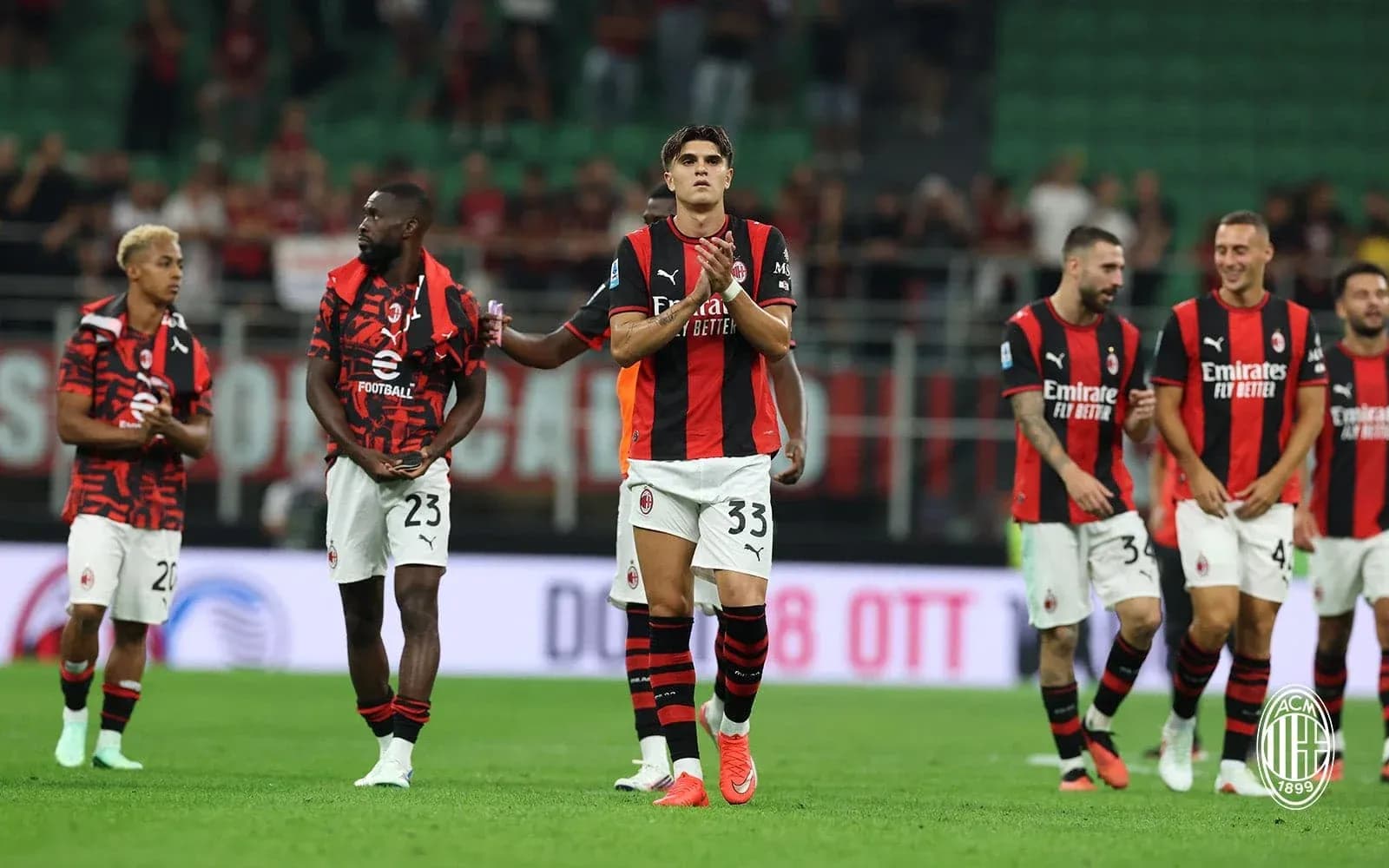
Milan Dominates Lecce: Tactical Analysis of a 3-0 Victory

Juventus Defeats Atalanta 2-0: Tactical Insights and Key Matchups
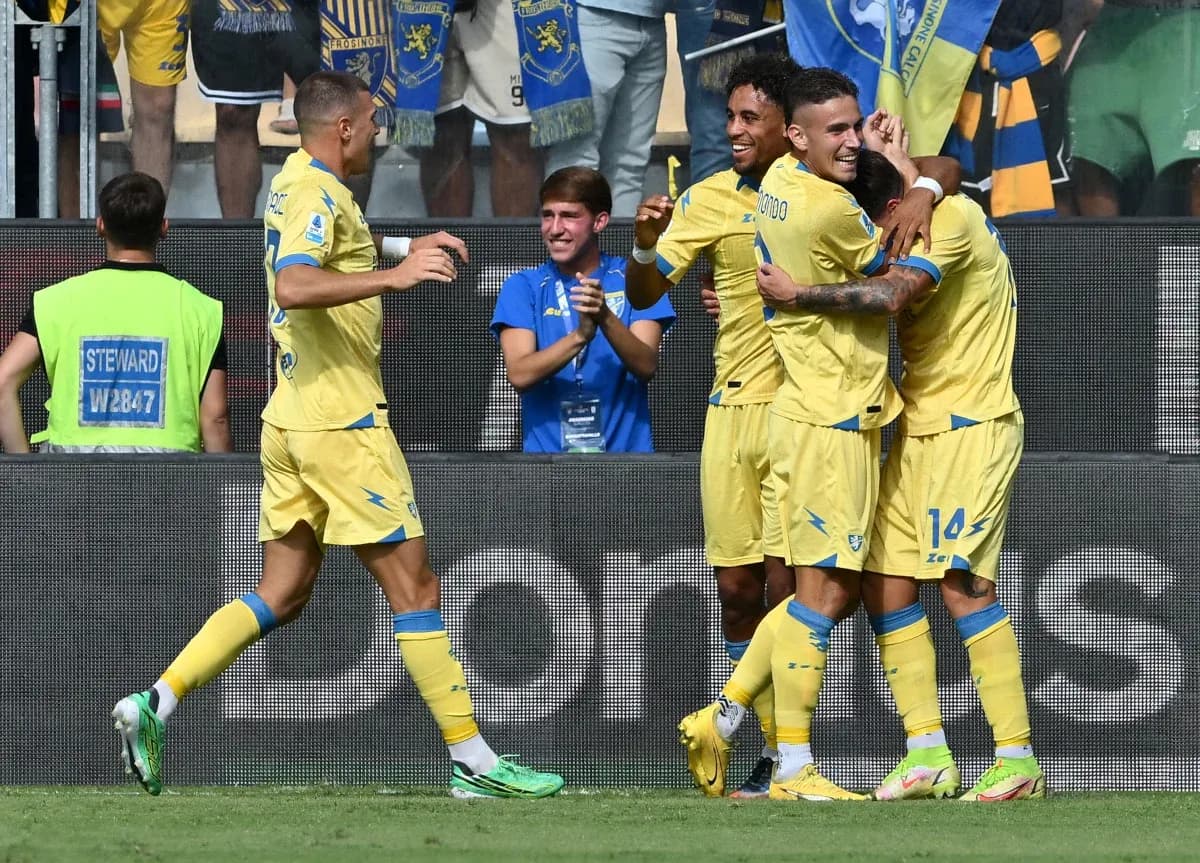
Frosinone's Tactical Mastery Shines in 2–0 Victory Over Como
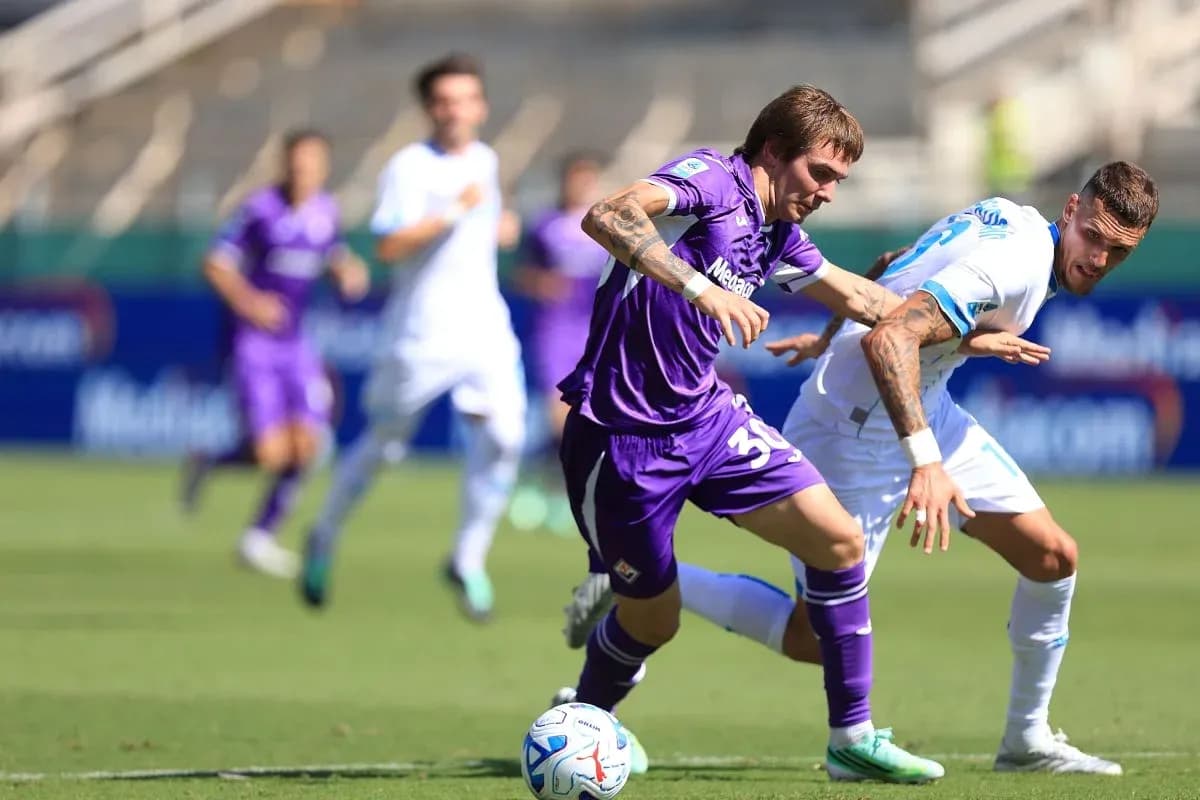
Fiorentina and Napoli Share Points in Serie A Clash
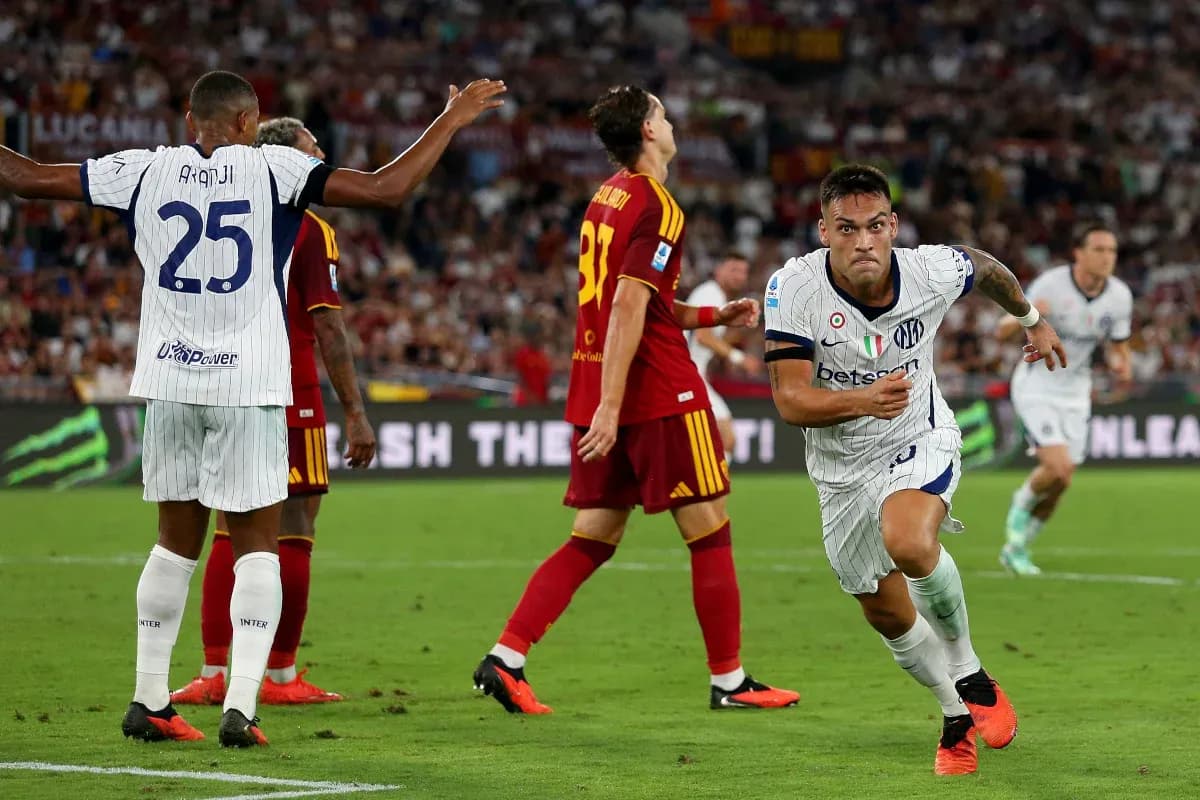
AS Roma vs Inter: Tactical Insights from Serie A Clash